
am - is - are
My name is Lisa - I'm 22 - I'm a student - I'm American I'm From Chicago - My favourite is blue - My favourite sports are football and swimming - I'm interested in art - I'm not interested in politics - My father is a doctor and MY mother is a journalist

am - is -are (questions)
Am I late ? No, You're on time. ° Is your mother at home? No she's out. ° Are your parents at home? No they're out. ° Is it cold in your room? Yes a little ° Your shoes are nice. Are they new?

I am doing (present continuous).
I'm working I'm not watching TV. * Maria is reading a newspaper. * She isn't eating (Or she's not eating). * The bus is coming. * We're having dinner. * You're not listening to me (Or you aren't listening). * The children are doing their homework.
are you doing (present continuous questions).
Are you feeling ok? Yes, I'm fine, thanks. * Is it raining? Yes, take an umbrella. * Why are you wearing a coat? It's not cold. * What's Paul doing? He's studying for his exams. * What are the children doing? They are watching TV. * Look there's Emily where's she going? * Who are your waiting for? Are you waiting for Sue?

I do/work/like etc (present simple).
He works / She lives / It rain etc. * I work in a shop. My brother works in a bank. (not my brother work). * Lucy lives in London Her parents live in Scotland. * It rains a lot in winter. I have -> He/She/Is has. * Joe has a shower every day. Spelling (-> Appendix 5): -es after -s / -sh / -ch / -y / -> ies:
i don't (present simple negative).
I drink coffee, but I don't drink tea. * Sue drinks tea, but she doesn't drink coffee. * You don't work very hard. * We don't watch TV very often. * The weather is usually nice. It doesn't rain very often. * Sam and Chris don't know many people.
do you ...? (present simple Questions).
Questions with always and usually: What Does | Chirs | always | work | on Sundays? do | you | usually | do | at weekends? What do you do? = What's your job?. * What do you do? I work in a bank.

I am doing - I do (present continuous and present simple).
Jack is watching television. He is not playing guitar. But Jack has a guitar. He often plays it and he plays very well. Jack plays the guitar. But he is not playing the guitar now. Is he playing the guitar? No, he isn't. (present continuous). Does he play the guitar? Yes, he does. (present simple).

I have ... and I've got...
You can say I have or I've got, he has or he's got: I have blue eyes. or I've got blue eyes. * Tom has two sisters. or Tom has got two sisters. * Our car has four doors. or Our car has got four doors. * Sarah isn't feeling well. She has a headache. or She's got a headache.

was - were...
am / is (present) -> was (past): * I am tired (now) I was tired last night. * Where's is Kate? (now) Where was Kate yesterday? * The weather is good today. The weather was good last week. are (present) -> were (past):
Worked - got - went etc. past simple
The past simple is often -ed (regular verbs). for example: work = worked dance = danced clean = cleaned stay = stayed start = started need = needed * I clean my teeth every morning. This morning I cleaned my teeth. * Terry worked in a bank from 2015 to 2022.

I didn't... Did you...? past simple negative and questions
do / does (present) -> did (past): * I don't watch TV very often. I didn't watch TV yesterday. * Does she often go away? Did she go away last week? I played tennis yesterday, but I didn't win. * Did you do the shopping? No, I didn't have time.

I was doing (past continuous)
Was / Were + -ing is the past continuous: What were you doing at 11.30 yesterday? Were you working? * What did he say? I don't know. I wasn't listening. * It was raining so we didn't go out. * In 2010 we were living in Canada. * Today she's wearing a skirt but yesterday she was wearing trousers.

I was doing (past continuous) and I did (past simple)
What happened? His phone rang (past simple): What was Jack doing when his phone rang | (past continuous) He was reading a book. What did he do when his phone rang? He stopped reading and answered his phone | (past simple) Jack began reading before his phone rang.

I have done (present perfect 1)
The are at home. * They are going out. They have gone out (= they not at home now): Has cleaned / have gone etc. is the present perfect (have + past participle);

I've just.. I've already.. I haven't yet.. (present perfect 2)
I've just... Just = a short time ago. * A: Are Laura and Paul here? B: Yes, they've just arrived. * A: Are you hungry? B: No, I've just had dinner. * A: Is Tom here? B: No, I'm afraid he's just gone. (= he has just gone)

Have you ever...? (present perfect 3)
We use the present perfect (Have been / have had / have played etc) When we talk about a time from the past until now - for example, a person's life: Have you ever been to Japan?
How long have you...? (present perfect 4)
Helen is on holiday in Ireland. She is there now. She arrived in Ireland on Monday. Today is Thursday. How long has she been in Ireland? She has been in Ireland

I have done (present perfect) And i did (past)
With a finished time (yesterday / last week etc.). We use the past (arrived / saw / was / etc): Do not use the present perfect (have arrived / have done / have been ) With a finished time:

Is done / was done (passive 1)
The passive is: present simple am / is / are (not) + past participle: past simple was / were (not) + past participle: cleaned / invented / injured / done / built / taken etc. The past participle of regular verbs is -ed (cleaned / danced etc):

Is being done / has been done (passive 2)
Is / are being ... (present continuous passive): * My car is at garage. It is being repaired (= somebody is repairing it). * Some new houses are being built opposite the park (= somebody is building them).

Be / Have / do in (present and past tenses)
Be (= am / is /are / was / were ) + -ing (cleaning / working etc): am / is / are + past participle (passive present simple). * I'm never invited to parties. * Butter is made from milk. * I was working when she arrived.
Regular and irregular verbs
Regular verbs: The past simple and past participle of regular verbs is -ed: clean = cleaned live = lived paint = painted study = studying past simple: * I cleaned my room yesterday.
I'm going to...
I'm going to do something I'm going to watch TV this evening. She is going to watch TV this evening. We use am / is / are going to... for the future.
Will - Shall 1
Sarah goes to work every day. She is always there from 8.30 until 4.30. * It is 11 o'clock now. Sarah is at work. * At 11 o'clock yesterday she was at work. * At 11 o'clock tomorrow, she will be at work.

Will - Shall 2
You can us I'Il ... (I will) when you offer something or decide to do something: * My bag is very heavy. I'Il carry it for you. * I'Il phone you tomorrow, Ok, Ok bye.
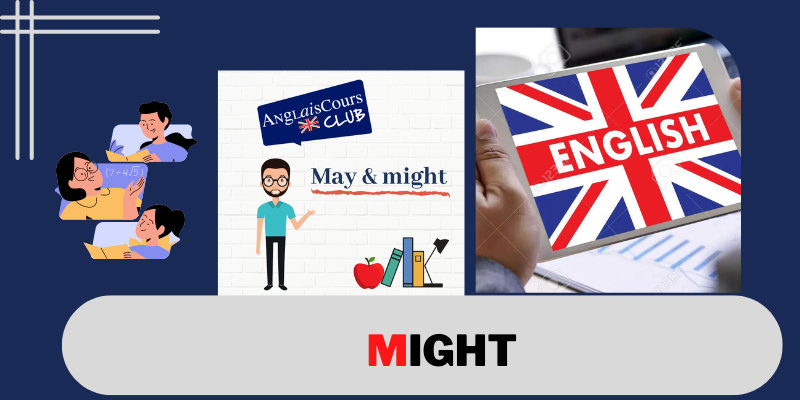
might
He might go to New York. (= It is possible that he will go to New York). It might rain (= it is possible that will rain). might + infinitive (might go / might be / might rain etc..).

give me that book! Give it to me!
After these verbs (give/lend etc.), there are two possible structures: give something to somebody - I gave the keys to Sarah. give somebody something - I gave Sarah the keys.